
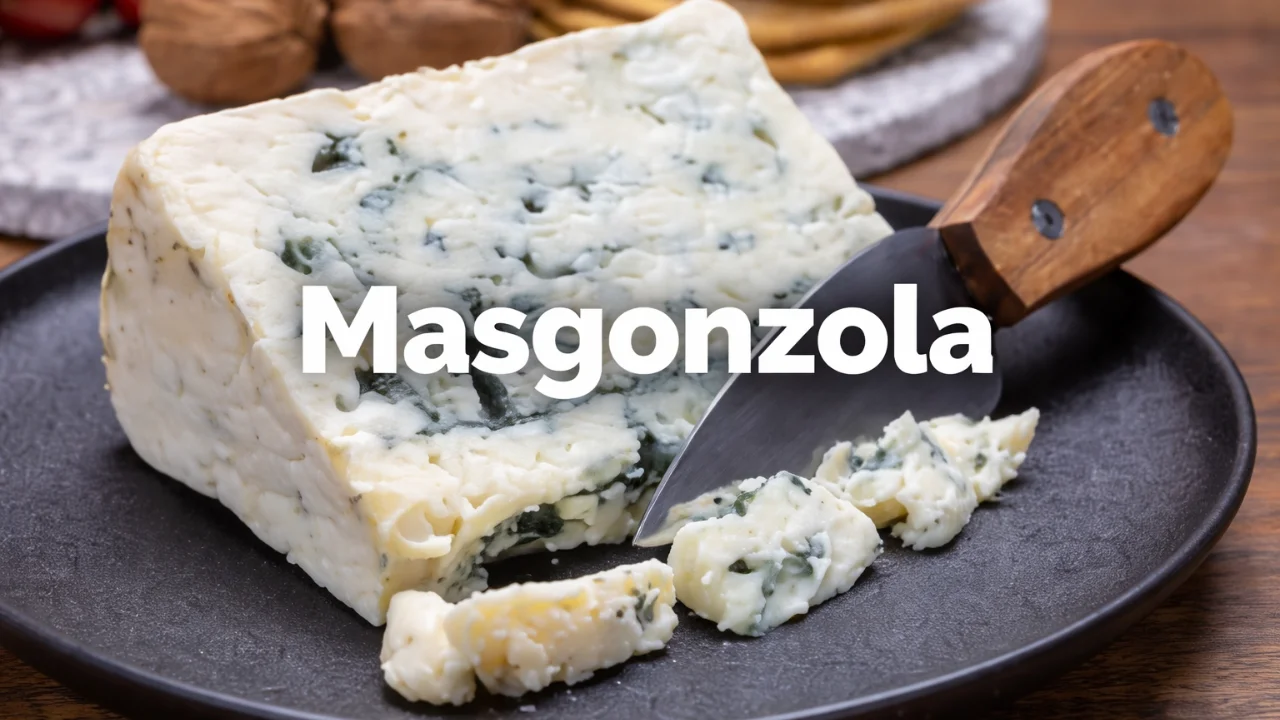
Introduction
Masgonzola doesn’t need hype—it earns its place the moment it hits a warm plate of pasta or a slice of crusty bread. The balance it brings is hard to ignore. You get richness without heaviness, sharpness without aggression. And once you cook with it properly, it becomes obvious why people keep going back to masgonzola instead of sticking with predictable cheese choices.
Why masgonzola works when other cheeses fall flat
There’s a reason strong blue cheeses divide people. They’re bold, sometimes overwhelming, and not always flexible in everyday cooking. Masgonzola sidesteps that problem. It softens the punch without losing character.
In practical terms, masgonzola behaves better in real kitchens. It melts more smoothly than firmer blue cheeses and doesn’t leave that oily separation you often see when things go wrong. That alone makes it easier to trust in hot dishes.
Taste-wise, it lands in a space that feels intentional rather than accidental. You don’t get that jarring bite that dominates everything else on the plate. Instead, masgonzola blends in while still making its presence known. That balance is rare, and it’s exactly why it works across different styles of cooking.
The texture advantage most people overlook
Texture is where masgonzola quietly wins. A lot of cheeses either disappear into a dish or sit on top of it without integrating. Masgonzola doesn’t do either.
It spreads cleanly. It folds into sauces without resistance. Even when slightly warmed, it keeps a silky consistency instead of turning grainy. That matters more than people admit. Good texture isn’t just about mouthfeel—it affects how flavors are released and how the dish holds together.
Try mixing masgonzola into a hot pan with a splash of pasta water. You’ll notice how quickly it transforms into something cohesive. No clumps. No struggle. That ease changes how you cook because you start trusting the ingredient rather than fighting it.
Cooking with masgonzola without ruining it
Most people mess this up by using too much heat. Masgonzola doesn’t respond well to aggressive cooking. High temperatures break its structure and dull its flavor.
Keep it simple. Low heat, short cooking time, and a bit of liquid to help it melt properly. That’s enough.
When used in pasta, masgonzola doesn’t need a long simmer. Add it near the end, let it melt gently, and stop. Overcooking is where dishes lose their edge.
The same applies to pizza. Adding masgonzola too early dries it out. Scatter it toward the end or right after baking so it softens without burning.
Where masgonzola actually shines
Not every ingredient works everywhere, and masgonzola is no exception. But where it fits, it performs better than most alternatives.
Pasta is the obvious choice, but not in heavy cream sauces. Masgonzola replaces cream entirely if you let it. Add a bit of water or milk, and you get a sauce that feels rich without being exhausting to eat.
On bread, it’s even simpler. A warm slice, a thin layer of masgonzola, maybe a drizzle of honey or a few slices of pear. That combination doesn’t need anything else.
Salads are another underrated use. Instead of crumbling aggressive blue cheese, a small amount of masgonzola adds depth without overwhelming fresh ingredients. It complements rather than competes.
Masgonzola versus traditional blue cheese
This comparison matters because it shows why masgonzola exists in the first place.
Traditional blue cheese often demands attention. It’s intense, salty, and sometimes too sharp for casual meals. That works in small doses, but not in everyday cooking.
Masgonzola tones that down without stripping away identity. You still get that familiar edge, but it’s controlled. More importantly, it’s usable across different dishes without constant adjustments.
If you’ve ever avoided blue cheese because it felt too strong, masgonzola is usually the turning point. It opens the door without forcing you into extremes.
Pairing masgonzola without overthinking it
People tend to overcomplicate cheese pairings. Masgonzola doesn’t require that kind of effort.
It works with sweetness. Fruits like figs, pears, or even a touch of honey bring out its softer side. The contrast feels natural rather than forced.
It also handles salt well. Cured meats, olives, or even a simple pinch of sea salt can sharpen its flavor without pushing it too far.
What doesn’t work is overcrowding. Masgonzola loses its identity when paired with too many strong elements. Keep combinations focused, and it performs better.
The quiet nutritional angle
Nobody eats cheese expecting it to be a health product, but masgonzola sits in a slightly better position than heavier alternatives.
Because of its composition, you don’t need large quantities to get flavor. Smaller portions still feel satisfying, which naturally limits overuse.
There’s also the fermentation aspect carried over from its blue cheese side. That can support digestion in ways that ultra-processed cheeses don’t.
Still, this isn’t a health food. It’s just a smarter choice when you want something rich without going overboard.
Why masgonzola fits modern cooking habits
Cooking today leans toward flexibility. People want ingredients that adapt quickly without requiring technical skill. Masgonzola fits that shift perfectly.
It doesn’t demand precision. It doesn’t punish small mistakes. You can improvise with it and still end up with something solid.
That matters more than authenticity debates or strict recipes. In real kitchens, ease wins. Masgonzola delivers that without sacrificing quality.
Common mistakes that ruin masgonzola dishes
Overheating is the biggest one, but it’s not the only issue.
Using too much at once is another problem. Masgonzola isn’t meant to dominate the plate. It works best as a supporting force, not the entire show.
Ignoring balance also causes trouble. Pairing it with overly strong ingredients cancels out what makes it special. The goal is contrast, not competition.
Lastly, treating it like a generic cheese leads to disappointing results. Masgonzola has its own behavior. Once you respect that, everything improves.
The real reason masgonzola keeps gaining attention
It’s not about trends. It’s about usability.
Masgonzola solves a problem people didn’t always articulate: the gap between bold flavor and everyday practicality. It bridges that gap in a way that feels natural, not engineered.
That’s why it keeps showing up more often. Not because it’s new, but because it fits how people actually cook and eat.
Conclusion
Masgonzola earns its place through consistency, not novelty. It handles heat better than most soft cheeses, delivers flavor without overwhelming dishes, and adapts to simple cooking without demanding precision. Once you stop treating it like a specialty ingredient and start using it as a regular staple, its value becomes obvious. The real shift isn’t in the cheese—it’s in how you approach it.
FAQs
1. Can masgonzola be used as a direct substitute for cream in sauces?
Yes, but only if you control the heat and add a bit of liquid. It melts into a smooth base without needing heavy cream.
2. Does masgonzola work in cold dishes like salads?
It does, especially in small amounts. It adds depth without overpowering fresh ingredients.
3. How should masgonzola be stored to maintain its texture?
Keep it refrigerated and sealed היט. Exposure to air dries it out quickly and affects consistency.
4. Is masgonzola suitable for people who dislike strong blue cheese?
Usually, yes. Its flavor is noticeably softer and more approachable.
5. What’s the biggest mistake people make when cooking with masgonzola?
Using high heat. It breaks down too quickly and loses its smooth texture if overheated.
You May Also Read: Wynonna Judd Performance Reactions: Inside the Clash of Praise and Concern