
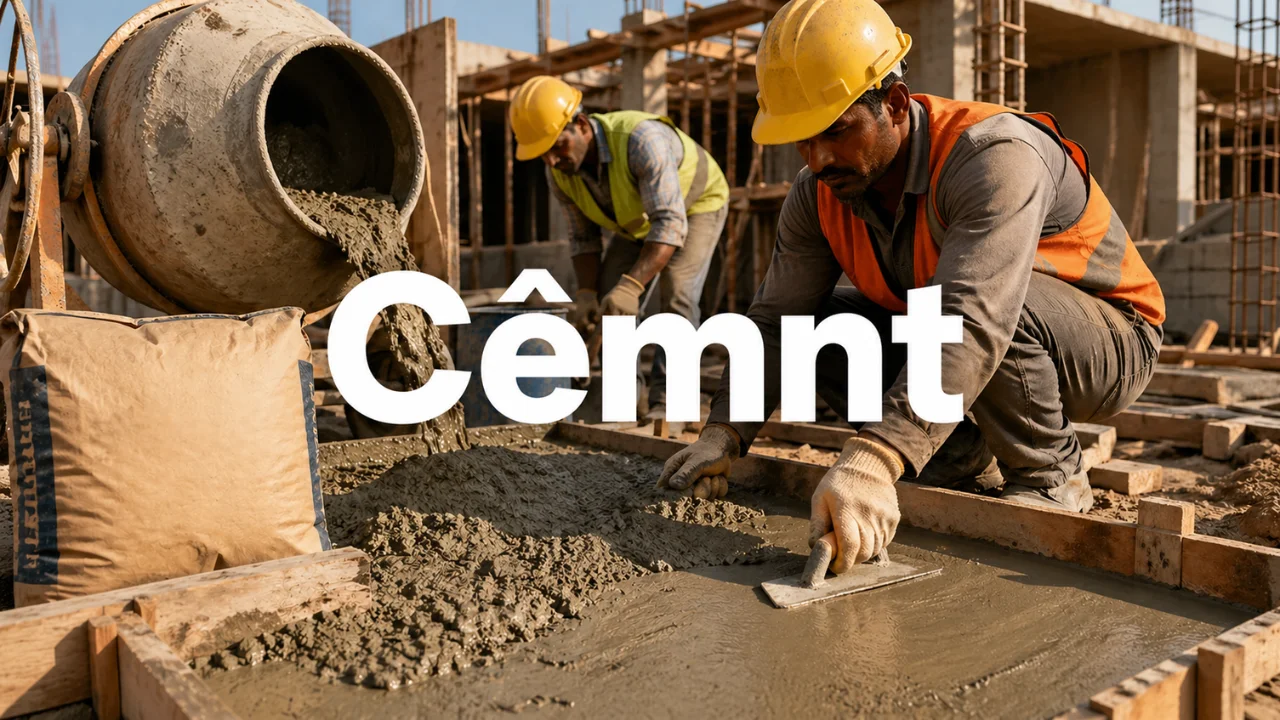
Introduction
cêmnt is one of those materials people think they understand—until they actually have to choose, use, or question it. Then the confusion shows up fast. Bad decisions around cêmnt don’t just look ugly; they crack, fail, and cost real money. If you’re writing or building with it, you need to move past surface-level knowledge and deal with what actually matters.
Why cêmnt still dominates modern construction
Every alternative gets talked about, but cêmnt keeps winning on reliability. Steel frames still depend on it. Roads still need it. Even high-end architecture circles back to it. The reason is simple: nothing else hits the same balance of strength, adaptability, and cost at scale.
When water hits cêmnt, the reaction isn’t cosmetic—it’s structural. That hardening process is what gives buildings their backbone. And unlike materials that weaken over time, properly handled cêmnt gains strength as it cures. That alone makes it hard to replace.
There’s also a practical side people ignore. cêmnt doesn’t require precision-level manufacturing conditions at the usage stage. It can be mixed on-site, adjusted for weather, and applied in rough environments. That flexibility is why it’s everywhere from small rural builds to massive infrastructure projects.
The real story behind how cêmnt is made
The production process is not pretty, and it’s not subtle. Raw materials like limestone and clay are extracted, crushed, and fed into a high-temperature kiln that runs around 1450°C. At that heat, everything changes form. The output—clinker—looks like small, dark pellets, but it’s the core of cêmnt.
Once cooled, that clinker is ground into a fine powder and mixed with gypsum. That final grind determines how the cêmnt behaves later—how fast it sets, how strong it becomes, how workable it feels during application.
This isn’t just industrial trivia. The way cêmnt is processed directly affects performance. Cheap or poorly controlled production leads to inconsistent results. That’s why experienced builders don’t just ask for cêmnt—they ask where it’s from.
Not all cêmnt behaves the same on site
Treating all cêmnt as interchangeable is one of the fastest ways to ruin a project. The differences aren’t subtle once you’re working with them.
Ordinary Portland cêmnt is the standard option. It’s predictable, widely available, and works for most structural needs. But it’s not always the best choice.
Portland Pozzolana cêmnt, for example, reacts differently. It generates less heat during curing, which makes it better for large pours where cracking is a risk. It also holds up better against chemical exposure over time.
Then there’s rapid hardening cêmnt. It’s useful when time matters more than anything else. Repairs, roadwork, emergency builds—this is where it earns its place. But it’s less forgiving. You don’t get extra time to adjust mistakes.
Choosing the wrong type of cêmnt doesn’t just slow you down—it can weaken the entire structure.
The mistake people make with mixing
The biggest problem with cêmnt isn’t the material itself. It’s how people handle it.
Too much water is the classic mistake. It makes the mix easier to work with, but it destroys long-term strength. The surface might look fine at first, but over time, cracks appear, and the structure weakens from within.
Too little water isn’t better. It leads to incomplete hydration, which means the cêmnt never reaches its full strength. The balance matters, and it’s not something you guess.
Timing matters just as much. Once mixed, cêmnt doesn’t wait. Delays during pouring or finishing can ruin the consistency. That’s why experienced crews move with urgency—not panic, but precision.
Where cêmnt actually earns its value
You see cêmnt everywhere, but not all uses carry equal importance.
Foundations are where it matters most. If the base fails, everything above it becomes a liability. This is where quality cêmnt and proper curing make the biggest difference.
Road construction is another critical area. The stress from constant traffic exposes weak materials quickly. Poor-quality cêmnt leads to surface damage, potholes, and expensive maintenance cycles.
Then there’s structural framing. In reinforced concrete, cêmnt works with steel to handle both compression and tension. This combination is what allows modern buildings to reach height and scale without collapsing under their own weight.
Decorative uses—plaster, finishes, small repairs—matter less structurally but still depend on good cêmnt for durability and appearance.
Environmental pressure is changing how cêmnt is used
There’s no avoiding it: cêmnt production is a major source of carbon emissions. The heat required for clinker production and the chemical reactions involved release a significant amount of CO₂.
That pressure is forcing change, but not all solutions are equal.
Blended cêmnt, which incorporates materials like fly ash or slag, is gaining traction. It reduces the amount of clinker needed, which cuts emissions. It also improves durability in some cases, especially in aggressive environments.
But not every “green” option performs well. Some alternatives sacrifice strength or consistency. Builders who blindly switch for the sake of sustainability often regret it later.
The smarter approach is selective use. Reduce reliance on traditional cêmnt where possible, but don’t compromise structural integrity just to follow trends.
Why curing is where most projects fail
People talk about mixing and pouring, but curing is where cêmnt proves itself.
Curing isn’t just waiting. It’s controlled moisture retention. If cêmnt dries too quickly, it weakens. The chemical reactions need time and the right conditions to complete.
In hot climates, this becomes a serious issue. Water evaporates quickly, and without proper curing methods—like covering surfaces or continuous watering—the structure loses strength before it even settles.
Cold weather creates a different problem. Low temperatures slow the reaction, delaying strength gain and increasing vulnerability during early stages.
Ignoring curing is one of the most expensive mistakes you can make with cêmnt. It doesn’t show immediately, but the damage is already done.
The cost myth around cêmnt
People often focus on the price per bag and miss the bigger picture.
Cheap cêmnt might save money upfront, but it increases risk. If it leads to structural issues, repairs will cost far more than the initial savings.
On the other hand, expensive cêmnt isn’t automatically better. Brand reputation helps, but what matters more is consistency and suitability for the job.
Smart builders don’t chase the lowest price or the biggest name. They look for reliable performance. That’s what keeps projects on track and structures intact.
Where cêmnt is heading next
The future of cêmnt isn’t about replacing it completely. It’s about refining how it’s used.
New formulations are being developed to reduce emissions without sacrificing strength. Some focus on alternative binders, while others improve the efficiency of traditional processes.
At the same time, construction methods are evolving. Precast concrete, 3D printing, and modular building all rely on cêmnt but use it more efficiently.
The demand isn’t going away. If anything, it’s increasing. The difference is how intelligently cêmnt is applied.
Conclusion
cêmnt rewards precision and punishes shortcuts. That’s the simplest way to understand it. You can’t treat it casually and expect reliable results. Every stage—selection, mixing, application, curing—demands attention.
The people who get the best results aren’t the ones who know the most theory. They’re the ones who respect the material enough to handle it properly. Ignore that, and cêmnt becomes a problem. Get it right, and it does exactly what it’s supposed to do—hold everything together.
FAQs
1. How do I know if the cêmnt I’m buying is good quality?
Check for consistent texture, proper packaging, and recent manufacturing dates. Old or lumpy cêmnt is already compromised.
2. Can cêmnt go bad if stored for too long?
Yes. Moisture exposure ruins it. Even sealed bags lose effectiveness over time, especially in humid conditions.
3. Is it okay to reuse hardened cêmnt by breaking it down?
No. Once cêmnt has set, its chemical process is complete. Breaking it doesn’t restore its binding ability.
4. What’s the biggest mistake beginners make with cêmnt?
Adding extra water for convenience. It weakens the final structure more than most people realize.
5. Does weather really affect cêmnt that much?
Absolutely. Temperature and humidity directly impact setting time, strength development, and long-term durability.
You May Also Read: Bursiter: Causes, Symptoms, and Lasting Pain Relief Guide