
Introduction
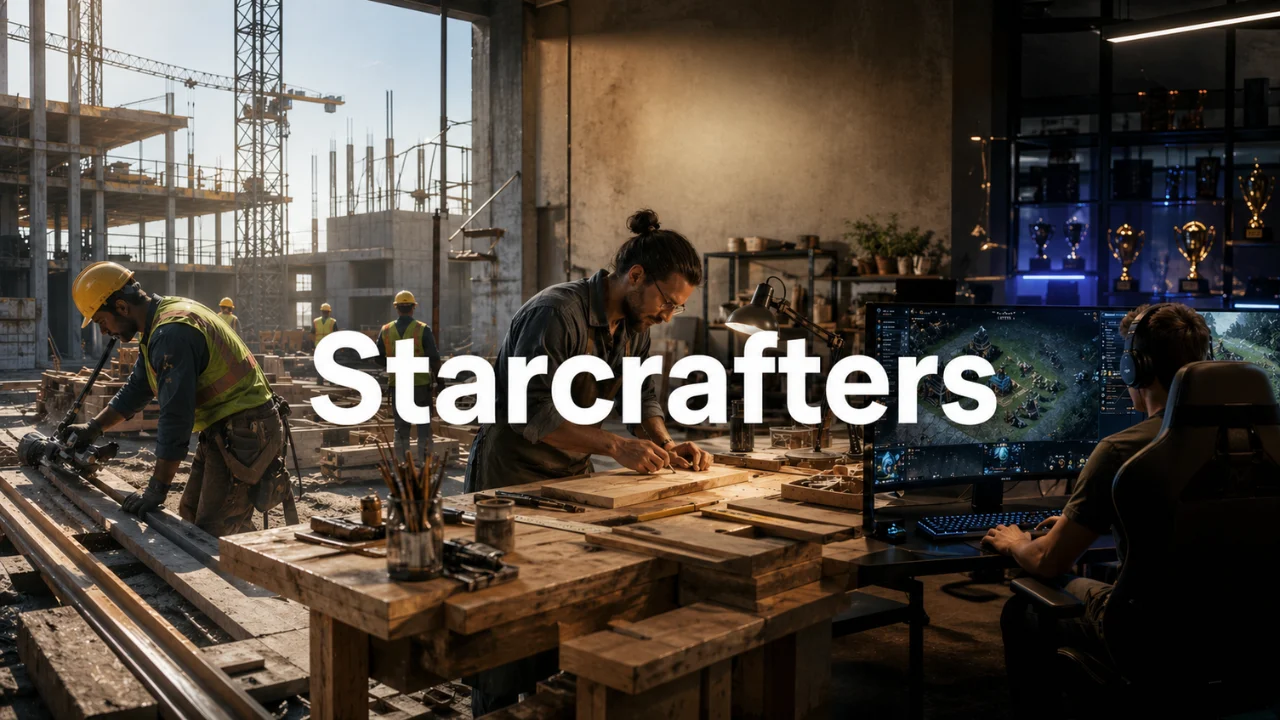
There’s a tendency to underestimate the people who work behind the scenes—those who supply materials, build systems, create things with their hands, or design strategies that others rely on. starcrafters sit exactly in that space. They aren’t always visible, but their impact shows up everywhere, from construction sites to creative studios to competitive gaming environments. Ignore them, and you miss how modern work actually gets done.
The builders who keep projects moving
Walk onto any active construction site and you’ll quickly realize that progress depends less on flashy architecture and more on consistent supply. starcrafters operating in construction and materials trading don’t just sell products; they control the pace of entire projects.
Contractors don’t have time to chase down missing tools or wait days for basic supplies. A delayed shipment of tiles or safety equipment can stall dozens of workers. That’s why experienced builders stick with reliable starcrafters who understand urgency, stock availability, and the realities of deadlines.
The difference between a smooth project and a chaotic one often comes down to how well these starcrafters handle logistics. Good ones anticipate demand. Great ones solve problems before clients even notice them. They know which materials fail under pressure, which tools last longer, and which shortcuts end up costing more in the long run.
There’s also a trust factor. Once a contractor finds dependable starcrafters, they rarely switch. Price matters, but consistency matters more. A slightly higher cost is acceptable if it avoids delays, rework, or safety risks.
Craft and creativity aren’t separate worlds
The idea that creativity lives in a different universe from construction is outdated. starcrafters bridge that gap naturally. The same mindset that drives a builder to refine a structure also drives a hobbyist to perfect a handmade project.
In creative communities, starcrafters are the ones experimenting with materials, sharing techniques, and pushing ideas forward. They aren’t waiting for trends; they’re creating them in small, practical ways.
A woodworking enthusiast refining joinery techniques has more in common with a construction supplier than most people think. Both are obsessed with materials, durability, and results. The difference is scale, not mindset.
This overlap explains why creative platforms thrive on collaboration. starcrafters exchange ideas freely because improvement is visible. You either build something better, or you don’t. There’s no hiding behind theory.
And that honesty is refreshing. It forces skill development. It rewards experimentation. It keeps the culture grounded.
Strategy thinking learned from gaming environments
Not all starcrafters work with physical materials. Some operate entirely in digital spaces, especially in strategy-based gaming environments where decision-making happens in real time.
Players influenced by games like StarCraft develop a specific kind of thinking. They manage resources, predict outcomes, and adapt under pressure. These habits translate surprisingly well into real-world situations.
starcrafters in this space approach challenges differently. They don’t panic when plans fall apart. They adjust. They’ve already practiced dealing with uncertainty hundreds of times in competitive settings.
This kind of thinking shows up in business operations, project management, and even creative workflows. When timelines shift or resources tighten, these starcrafters don’t freeze. They reallocate, prioritize, and move forward.
It’s not about gaming itself. It’s about the discipline behind it.
Why reliability matters more than innovation
There’s a constant push to celebrate innovation, but in practice, reliability wins more often. starcrafters who deliver consistent results outperform those chasing constant reinvention.
A construction supplier who always delivers on time will beat a “creative” competitor who occasionally fails. A craftsperson who produces durable work will outlast someone experimenting without discipline. A strategist who makes steady, informed decisions will outperform someone chasing risky breakthroughs.
This doesn’t mean innovation is useless. It just means it needs a foundation. starcrafters who combine reliability with occasional smart risks tend to dominate their fields.
Consistency builds reputation. Reputation builds demand. Demand creates long-term stability.
That cycle isn’t exciting, but it’s effective.
The role of problem-solving in daily work
What separates average starcrafters from respected ones is problem-solving ability. Not theoretical problem-solving, but practical, immediate solutions.
A shipment arrives damaged. A tool fails mid-project. A design doesn’t hold up under stress. These are not rare events. They’re daily realities.
Strong starcrafters don’t escalate every issue. They fix things. They find alternatives. They keep work moving.
This mindset changes how they operate. Instead of waiting for perfect conditions, they build systems that can handle imperfection. They plan for setbacks because they know setbacks are guaranteed.
It’s a subtle difference, but it shows in results.
The quiet influence on supply chains
Supply chains don’t get attention until something breaks. When they do, the role of starcrafters becomes obvious.
These professionals understand sourcing, storage, and distribution at a level most people never think about. They know which materials are prone to shortages, which suppliers are unreliable, and which routes cause delays.
During disruptions, the gap between experienced and inexperienced starcrafters becomes clear. One group scrambles. The other adapts.
They switch suppliers quickly. They adjust timelines realistically. They communicate clearly with clients.
That kind of control isn’t built overnight. It comes from years of handling real constraints.
Creative independence and ownership
One of the most appealing aspects of working as starcrafters in creative fields is independence. Whether it’s crafting, design, or small-scale production, there’s a direct link between effort and output.
There’s no corporate buffer. No layers of approval. You create something, and the result speaks for itself.
This attracts people who prefer control over their work. They’re willing to take on uncertainty because they value ownership more than stability.
It also forces accountability. If something fails, there’s no one else to blame. That pressure sharpens skills quickly.
The overlap with future-focused industries
There’s a growing connection between starcrafters and future-oriented work, especially in areas like space exploration concepts, advanced manufacturing, and simulation-based planning.
The common thread is building systems that don’t yet exist in a stable form. Whether it’s designing components for extreme environments or simulating large-scale operations, the mindset remains the same.
You test, you fail, you adjust, and you build again.
This iterative approach is second nature to experienced starcrafters. They don’t expect perfection on the first attempt. They expect progress.
And that expectation is what makes them valuable in uncertain environments.
Skill stacking creates long-term advantage
The most effective starcrafters don’t rely on a single skill. They stack capabilities over time.
A materials supplier learns logistics. A craftsperson learns design principles. A strategist learns communication and leadership.
Each added skill increases flexibility. It allows them to handle more complex challenges without relying heavily on others.
This is where long-term advantage builds. Not through specialization alone, but through strategic expansion of abilities.
It’s also where many people fall short. They stay comfortable with one skill set and become replaceable. starcrafters who evolve stay relevant.
Where most people get it wrong
There’s a tendency to romanticize creation while ignoring execution. People like the idea of building, crafting, or strategizing, but they underestimate the discipline required.
starcrafters don’t just start projects. They finish them. They deal with boring tasks, repetitive work, and unexpected setbacks.
That’s the real difference.
It’s not talent. It’s persistence.
Anyone can begin a project with enthusiasm. Few can carry it through when motivation fades.
Conclusion
starcrafters aren’t defined by a single industry or role. What connects them is a way of working—practical, consistent, and focused on results. They don’t wait for perfect conditions, and they don’t rely on hype. They build, adjust, and keep moving.
If there’s a takeaway here, it’s simple: the people who quietly solve problems and deliver outcomes are the ones shaping everything around you. Not loudly. Not dramatically. Just effectively.
FAQs
1. How do starcrafters build trust with clients or collaborators?
They deliver consistently over time. Meeting deadlines, maintaining quality, and communicating clearly matter more than making big promises.
2. Can someone become a starcrafter without formal training?
Yes. Most skills in this space are developed through hands-on experience. Practice and repetition matter more than credentials.
3. What industries rely most heavily on starcrafters?
Construction, manufacturing, creative crafts, logistics, and strategy-based roles all depend heavily on this type of work.
4. How do starcrafters handle failure in projects?
They treat it as part of the process. Instead of stopping, they adjust and continue working toward a solution.
5. What’s the biggest mistake beginners make?
Starting too many projects without finishing them. Progress comes from completing work, not just beginning it.
You May Also Read: Shiligent: Benefits, Safety, Uses, and Real Results for Energy and Stamina